Integrating Player Safeguards and Promotional Offers in Online Gaming Environments
Ben Becker · Aug 20, 2026
Integrating Player Safeguards and Promotional Offers in Online Gaming Environments
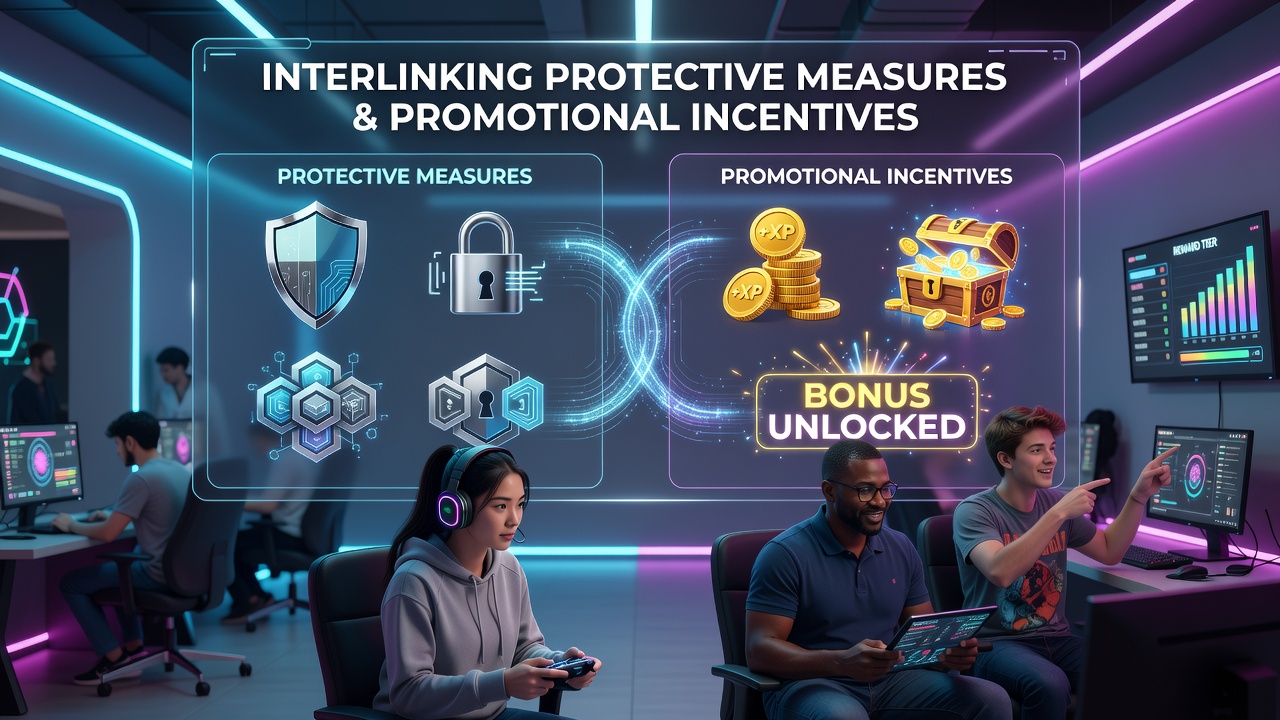
Electronic gaming platforms continue to blend protective tools with promotional structures as operators respond to evolving regulatory expectations and player engagement patterns through 2026, and data from multiple jurisdictions shows how these systems operate together without creating separate silos for each function.
Core Components of Protective Measures
Operators deploy deposit limits, session reminders, and self-exclusion options that function as standard features across many licensed sites, while regulators in regions such as Nevada and Ontario require documented integration between these controls and any active bonus structures. Research indicates that when limits adjust automatically during promotional periods, participation in voluntary tools rises by measurable percentages according to reports from the National Council on Problem Gambling.
Systems track real-time spend against incentive thresholds so that players receive alerts before reaching either a personal cap or a bonus wagering milestone, and this linkage prevents situations where promotional play overrides earlier safety settings.
How Incentives Connect to Protection Protocols
Promotional incentives such as deposit matches, free spins, and loyalty tiers now carry built-in parameters that reference the same databases used for protective measures, creating a unified account profile that updates across both reward and safeguard modules. Observers note that this architecture allows platforms to pause bonus eligibility automatically when a player activates a cooling-off period, and case studies from North American operators demonstrate reduced conflict between the two systems.
Technical Implementation Patterns
Developers build APIs that pull limit data into the same backend that calculates bonus progress, whereas older models kept these functions on separate servers and required manual reconciliation. Studies from academic teams at the University of Nevada have examined how synchronized data flows affect player decision points during active promotions, and findings reveal shorter response times between a limit change and the corresponding adjustment to any pending reward offer.
August 2026 brought additional reporting requirements in several Canadian provinces that mandate operators demonstrate this synchronization during annual audits, and similar frameworks have appeared in draft legislation elsewhere.
Player Experience Across Linked Systems
Users encounter unified dashboards that display both current bonus progress and active protective settings side by side, and this presentation reduces the need to navigate separate menus. When a player reaches 80 percent of a self-imposed deposit limit, the interface highlights any active promotions that could be paused or recalibrated, while data shows higher completion rates for these alerts compared with standalone notifications.
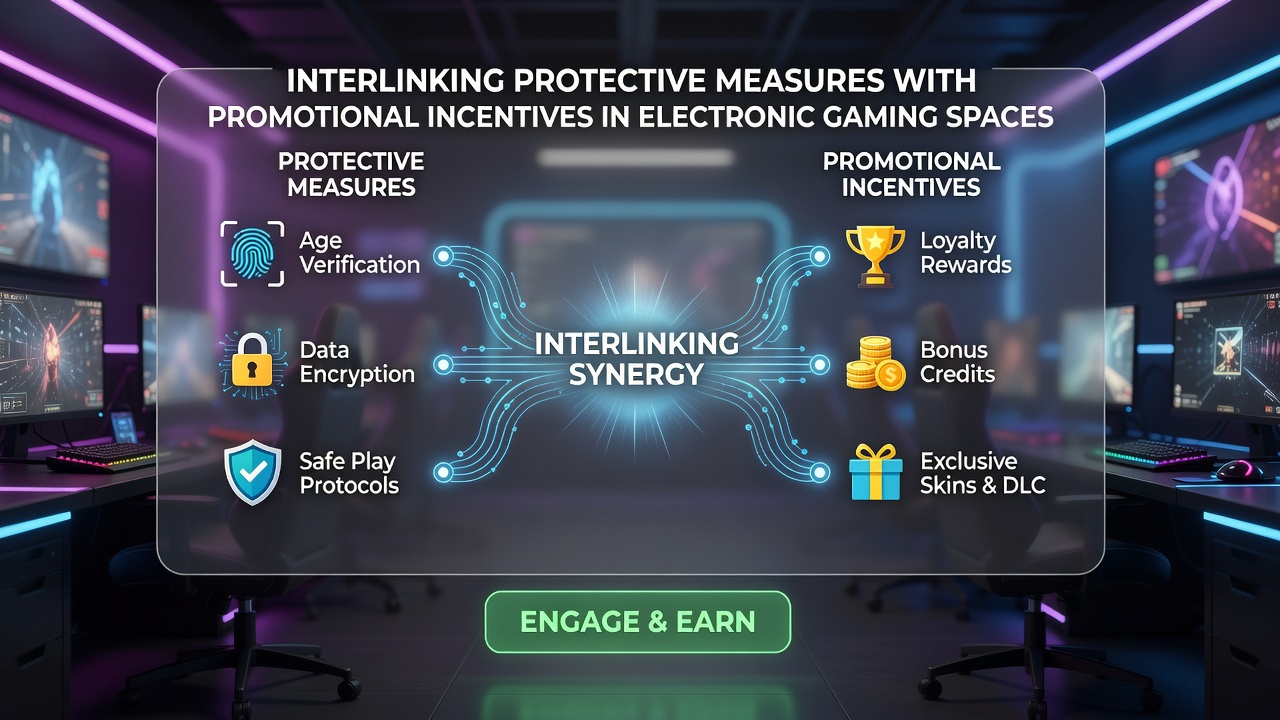
Operators report that loyalty programs now award points only on verified play that stays within chosen boundaries, and this rule set appears in terms that update dynamically based on account-level protection choices.
Regulatory and Industry Data Trends
Figures from the Australian Gambling Research Centre indicate that platforms with integrated systems record lower rates of disputed bonus claims related to limit breaches, whereas jurisdictions without such requirements continue to handle higher volumes of player complaints on the same issue. European operators following updated guidelines from the Malta Gaming Authority have adopted similar linkage standards, and preliminary compliance reports show measurable alignment between incentive delivery and protective triggers.
Take one operator in Ontario that revised its bonus engine in early 2026 to reference the same real-time limit database used for self-exclusion checks, and subsequent audits confirmed zero instances of promotional offers bypassing active restrictions during the first six months of operation.
Future Adjustments and System Evolution
Industry groups continue to test machine-learning models that predict when protective settings and promotional triggers may conflict, and early deployments adjust offer visibility before the player reaches a decision point. These models draw from aggregated anonymized data across multiple sites rather than individual account histories alone, and researchers track accuracy rates through controlled pilot programs.
Additional refinements include cross-platform portability of linked settings so that players who move between operators retain their combined protection and incentive profiles where regulations permit data sharing agreements.
Conclusion
Electronic gaming environments now treat protective measures and promotional incentives as interconnected modules rather than parallel functions, and evidence from regulatory filings and operator reports demonstrates that unified data handling produces consistent outcomes across different markets. Continued development focuses on predictive synchronization and cross-jurisdiction compatibility while maintaining the factual separation between reward delivery and safety enforcement.