Charting Capital Routes from Reel Cycles to Live Event Bets Under Bonus Rules
Henrik Weber · Nov 4, 2026
Charting Capital Routes from Reel Cycles to Live Event Bets Under Bonus Rules
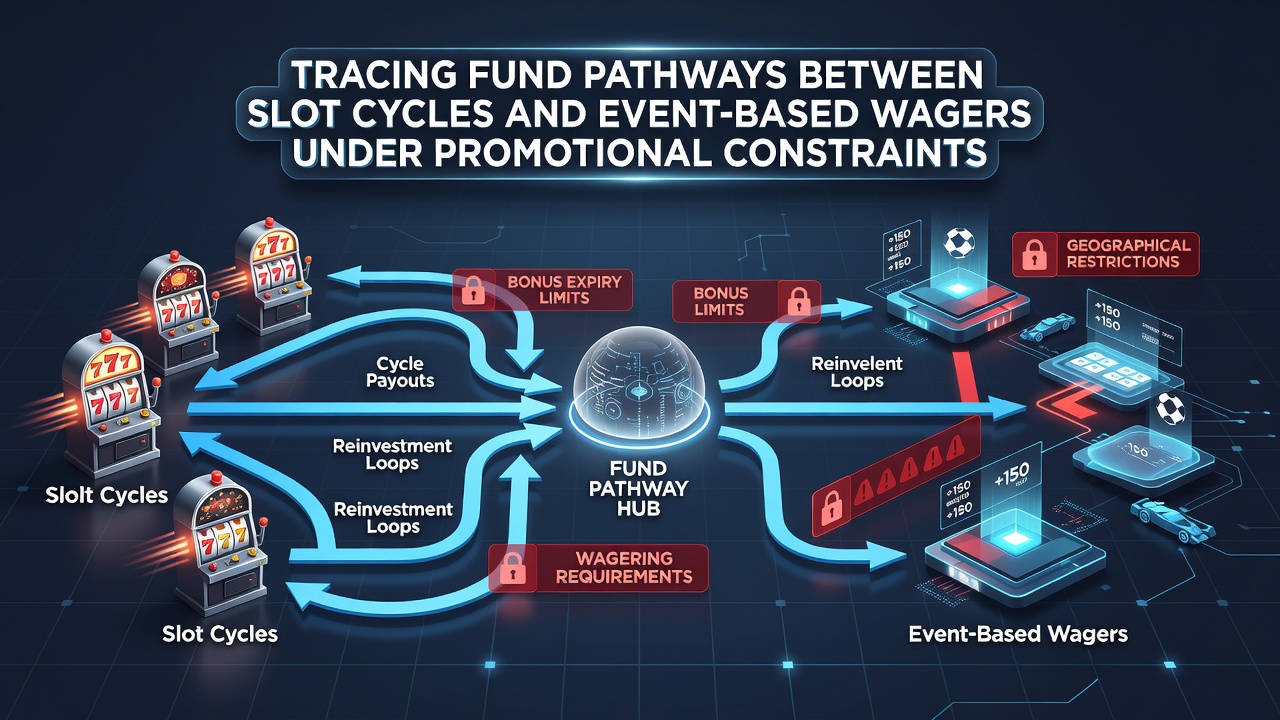
Operators track capital movements between slot machine cycles and event-based wagers when promotional offers impose specific playthrough conditions, and these pathways often follow predictable patterns shaped by wagering requirements, game eligibility lists, and contribution percentages set by individual platforms.
Slot cycles refer to sequences of spins that progress through base game play, bonus triggers, and payout phases, while event-based wagers cover bets placed on scheduled sports matches or tournaments. Promotional constraints typically limit which games count toward clearing bonuses and apply different contribution rates, such as 100 percent for slots versus lower percentages for sports markets, which directs how funds transfer between the two activities.
Mechanics of Promotional Constraints
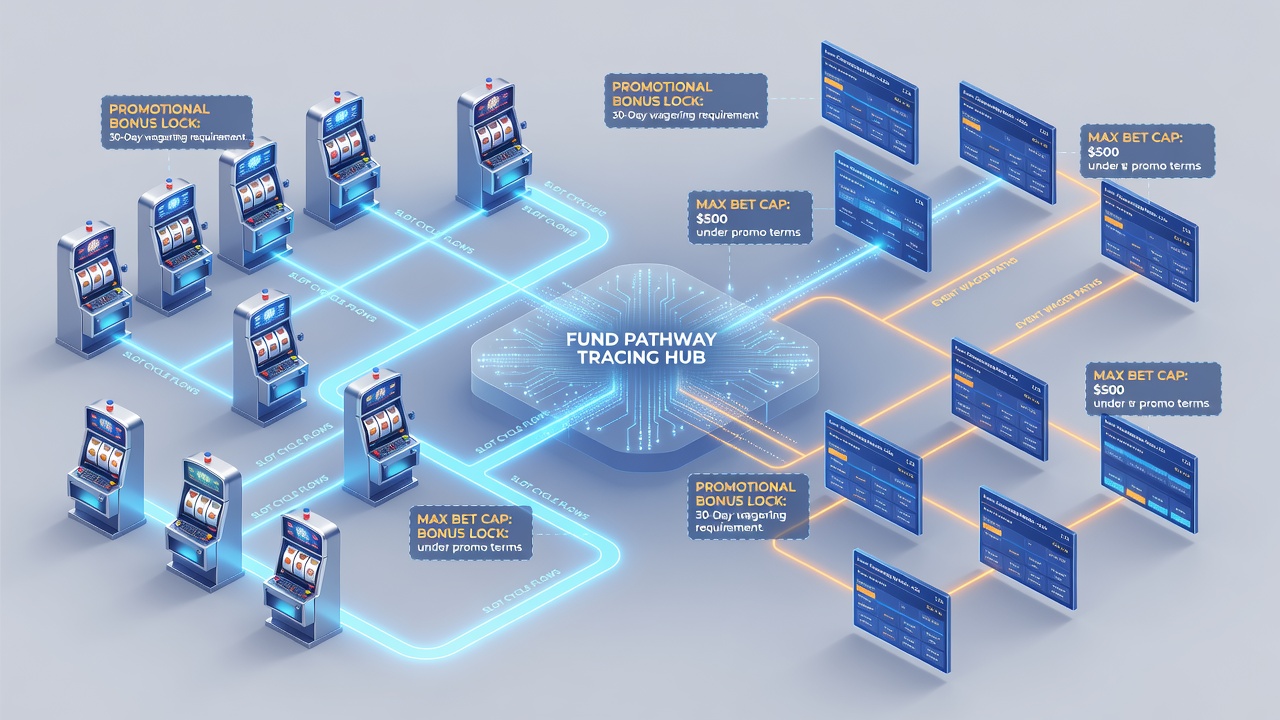
Wagering requirements specify the total stake volume a player must generate before withdrawing bonus funds, and these rules frequently assign higher contribution values to slot machines than to live event betting, which creates an initial flow from slot play toward sports wagers once the requirement nears completion. Time limits on promotions add another layer, because bonuses often expire within 30 days, prompting users to accelerate slot cycles early in the period before shifting remaining balances to targeted event markets.
Contribution tables published by operators list exact percentages for each game category, and observers note that many platforms assign 0 percent contribution to certain sports bets until slot cycles have satisfied a minimum threshold. This structure encourages sequential fund movement rather than simultaneous participation across both verticals.
Tracing Pathways in Practice
Players deposit funds, activate a bonus, and then direct those funds into slot cycles that generate the required stake volume, after which any remaining balance or winnings become available for event-based wagers on upcoming matches. Data from regulatory filings in multiple jurisdictions shows that slots account for the majority of playthrough activity in bonus-driven sessions, while sports markets receive the converted funds once conditions are met.
One documented pattern involves users selecting low-volatility slots to steadily accumulate stake volume with controlled risk, then reallocating cleared funds to higher-odds event wagers on specific fixtures. Systems used by operators flag these transfers through transaction logs that record game type, stake amount, and bonus identifier, allowing clear reconstruction of each pathway.
Regional Regulatory Approaches
Authorities in different regions impose varying transparency rules on these fund movements, and the National Council on Problem Gambling has published reports detailing how contribution rates affect player behavior across game types. In Australia, state-level gaming commissions require operators to publish detailed contribution schedules, which enables external analysis of how slot cycles feed into sports markets under promotional offers.
Canadian provincial regulators similarly mandate clear disclosure of eligible games and contribution percentages, and research from academic institutions indicates that these disclosures help map typical fund pathways without revealing individual account details. As major international tournaments approach in November 2026, operators in several markets report increased slot activity followed by transfers to event wagers, consistent with seasonal promotional calendars.
Technical Tracking Methods
Backend systems assign unique transaction codes to bonus funds and monitor their progression through eligible games, recording each spin or wager against the remaining requirement balance. When slot cycles reduce the outstanding playthrough amount to zero, the system automatically releases the funds for use on event-based wagers, and audit logs capture the exact sequence and timing of each transfer.
Third-party testing laboratories verify that these tracking mechanisms function consistently across different promotional structures, and their reports confirm that contribution percentages remain fixed during active bonus periods unless operators issue formal updates. This stability allows analysts to predict common pathways based on published rules rather than individual behavior.
Conclusion
Fund pathways between slot cycles and event-based wagers under promotional constraints follow structured routes determined by contribution rates, eligibility lists, and time-bound requirements. Regulatory disclosures from multiple regions provide the data needed to reconstruct these movements at an aggregate level, while operator systems maintain precise records that support compliance and analysis. As promotional activity continues through late 2026, these documented mechanisms remain central to understanding capital allocation across game categories.